Tech News
Apple Reportedly Ditching Traditional OS Version Numbers for Year-Based Naming System

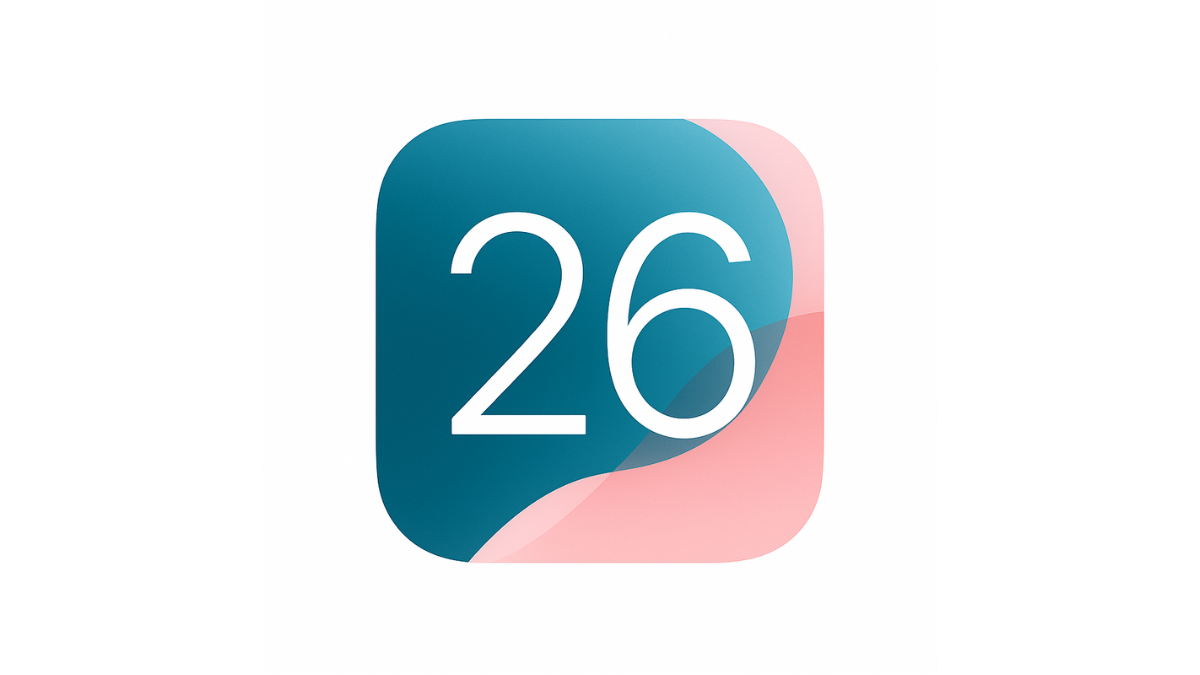
Apple is planning a huge change for its operating systems—and it’s not just about adding new features. According to recent reports, including one from Bloomberg, the company is expected to drop its usual OS version numbers (like iOS 19) and instead adopt a year-based naming system. That means we could be getting iOS 26 this fall, matching the 2026 model year, even though it’s released in 2025. This change will likely be announced at WWDC 2025, which kicks off on June 9.
This new naming style won’t just be for iPhones. Apple is reportedly applying it across the board: iPadOS, macOS, watchOS, tvOS, and visionOS will all follow the same pattern. The idea is to make things clearer and more consistent for users and developers. Right now, the version numbers vary a lot—macOS is at version 14, iOS is at 18, visionOS just started with version 2—and that can get confusing fast. By naming everything after the year it’s meant for, Apple simplifies the whole system, like how car companies label their models.
But Apple isn’t stopping with just names. The company is also working on a major redesign of all its software platforms. Internally, this new look is called “Solarium”, and it’s said to be the biggest visual update since iOS 7 back in 2013. The goal is to bring a fresh, modern look that feels unified across all Apple devices, whether you’re using an iPhone, iPad, Mac, Apple Watch, or even the Vision Pro.
This new design will borrow heavily from visionOS, the operating system powering the Apple Vision Pro headset. Expect things like floating interface elements, see-through layers, rounded edges, dynamic icons, and even spatial depth to make the software feel more immersive and futuristic. Everything is designed to look and feel more consistent—like part of one big family—no matter which Apple device you’re using.
Each OS will bring some unique upgrades too. For example, iOS 26 is rumored to include support for external displays and a revamped Camera app. Meanwhile, iPadOS 26 might gain a macOS-style menu bar, which would make multitasking on the iPad more powerful and intuitive. While we don’t yet know all the details for watchOS, tvOS, and visionOS, the Solarium project suggests that they’ll all get a similar modern refresh.
There’s also a chance that macOS may finally drop its California-themed names, like Sonoma and Monterey. Since the introduction of macOS Mavericks in 2013, Apple has named its desktop operating systems after famous places in California. But with the new year-based system, Apple may retire this naming tradition and focus on a cleaner, more straightforward versioning style—like macOS 26. This would help tie macOS more closely to Apple’s global audience and make it feel less tied to one specific region.
So why is Apple making all these changes now? The short answer: clarity, consistency, and future-readiness. With more devices in the lineup and technologies like spatial computing becoming more important, Apple wants to make sure its software feels unified and easy to follow. The new naming system clears up confusion. The new design makes everything feel connected. Together, they mark a major new phase in Apple’s software journey.
All signs point to WWDC 2025 being a major turning point. From iOS 26 to the Solarium design language, this year’s announcements could reshape how millions of people interact with Apple devices. We’ll find out more when the event begins on June 9, but one thing’s clear: Apple is getting ready to change the look—and logic—of its entire software ecosystem.